

African Antelopes: The Ultimate Guide to Africa’s Iconic Wildlife
Africa’s antelopes are among the most fascinating and diverse groups of animals, representing the continent’s rich biodiversity. Found in nearly every habitat, from lush rainforests to arid deserts, antelopes are crucial to Africa’s ecosystems. This comprehensive guide explores everything about African antelopes: their characteristics, adaptations, species, habitats, and their roles in the environment.
What Is an Antelope?
Antelopes are members of the Bovidae family, which also includes goats, sheep, and buffalo. Unlike deer, antelopes have permanent horns made of keratin, which do not shed. They are primarily found in Africa, though a few species exist in Asia. Known for their speed, agility, and grace, antelopes range in size from the tiny dik-dik to the massive eland.
Antelope Characteristics and Adaptations
- Body Structure: Antelopes generally have slender bodies, long legs, cloven hooves, and short tails. Their light build is ideal for fast and agile movement.
- Horns: Most antelopes have horns, which can be straight, spiraled, or curved. Males typically have larger, more ornate horns, but some females also bear horns.
- Habitat Adaptations: From water-dependent species like the waterbuck to desert-adapted species like the oryx, antelopes have evolved unique features to survive in diverse environments.
- Diet: Antelopes are predominantly herbivores, consuming grass, leaves, shoots, fruits, and roots. Some species, like the steenbok, can survive without drinking water, extracting moisture from plants.
Antelope Behavior and Social Structure
- Herding: Many antelopes live in herds, which provide protection against predators. Social structures range from small family groups to massive migratory herds, as seen in wildebeests during the Great Migration.
- Communication: Antelopes use vocalizations, body language, and scent markings to communicate. For example, impalas use scent glands on their hind legs to mark territories.
- Defense Mechanisms: They rely on speed, agility, and acute senses to evade predators. Some, like the sable antelope, are known to aggressively defend themselves with their horns.
Africa boasts an incredible diversity of antelopes, with approximately 72 species inhabiting the continent's varied landscapes. Here are some of the most notable species:
1. Eland (Taurotragus oryx)
- Description: The eland is the largest antelope species in Africa, with males weighing up to 2,000 pounds (907 kg) and standing 6 feet (1.8 m) at the shoulder. Both sexes have spiral horns, with males possessing thicker horns.
- Habitat: Found in savannas, semi-arid regions, and woodlands across southern and eastern Africa.
- Behavior: Despite their size, elands are agile and capable of leaping over 2 meters. They are both grazers and browsers, adapting their diet to seasonal availability.
- Unique Trait: Their dewlap (a loose fold of skin under the neck) helps with thermoregulation.
2. Impala (Aepyceros melampus)
- Description: Known for their grace and agility, impalas have slender builds, reddish-brown coats, and distinctive black markings on their tails and hindquarters. Males feature lyre-shaped horns.
- Habitat: Inhabit woodlands and savannas near water sources.
- Behavior: Impalas are highly sociable, forming large herds. They are exceptional jumpers, capable of leaping over 10 feet (3 m) in height and covering distances of up to 33 feet (10 m) in a single bound.
- Unique Trait: Their scent glands, located on their hind legs, are used to mark territory.
3. Wildebeest (Connochaetes taurinus and Connochaetes gnou)
- Description: Known for their role in the Great Migration, wildebeests are robust antelopes with muscular builds, shaggy manes, and curved horns.
- Habitat: Prefer grasslands and open savannas.
- Behavior: Wildebeests are migratory, traveling vast distances annually in search of fresh grazing grounds. This migration is one of the greatest wildlife spectacles on Earth.
- Unique Trait: Their synchronized calving ensures the survival of the majority of their young by overwhelming predators.
4. Kudu (Tragelaphus strepsiceros and Tragelaphus imberbis)
- Description: There are two species: the greater kudu and the lesser kudu. Greater kudus are larger, with males featuring long, spiraled horns that can reach 70 inches (178 cm). Lesser kudus are smaller and more elusive.
- Habitat: Found in dense woodlands and bushlands.
- Behavior: Kudus are shy and rely on camouflage to evade predators. When fleeing, they raise their tails, flashing a white underside to signal danger to their herd.
- Unique Trait: Their horns are considered among the most striking in the animal kingdom.
5. Sable Antelope (Hippotragus niger)
- Description: Known for their striking black coats and white facial markings, sables are powerful antelopes. Both males and females have long, backward-curving horns, with males having darker coats.
- Habitat: Prefer savannas and open woodlands.
- Behavior: Sables are territorial and form herds led by a dominant male. They are known to defend themselves fiercely against predators.
- Unique Trait: Their horns can grow up to 65 inches (165 cm) long.
6. Oryx (Oryx gazella)
- Description: The oryx, or gemsbok, is a desert-adapted antelope with long, straight horns and striking black-and-white facial markings.
- Habitat: Found in arid regions and deserts.
- Behavior: Oryx are highly resilient and can survive for months without direct water, obtaining moisture from succulent plants and roots.
- Unique Trait: Their reflective coat helps deflect the sun’s rays, reducing heat absorption.
7. Springbok (Antidorcas marsupialis)
- Description: South Africa’s national animal, the springbok is a small antelope with a light brown coat, white underparts, and a distinctive dark stripe along its side.
- Habitat: Found in arid regions and grasslands.
- Behavior: Famous for their pronking—leaping into the air with stiff legs, possibly as a display to predators.
- Unique Trait: They can go without drinking water for extended periods, relying on moisture from vegetation.
8. Waterbuck (Kobus ellipsiprymnus)
- Description: A large, robust antelope with a shaggy coat and a prominent white ring on its rump. Only males have horns, which curve forward.
- Habitat: Typically found near water sources such as rivers and lakes.
- Behavior: When threatened, waterbucks often retreat into water to escape predators.
- Unique Trait: Their coat produces an oily secretion, which gives them a distinctive smell and provides waterproofing.
9. Dik-Dik (Madoqua spp.)
- Description: The smallest African antelope, standing only 12-16 inches (30-40 cm) tall. They have large eyes with white rings and pointed snouts.
- Habitat: Thrive in arid and bushy regions.
- Behavior: Typically live in monogamous pairs and use their "dik-dik" alarm call to warn others of danger.
- Unique Trait: Their small size and cryptic coloration help them avoid predators.
10. Nyala (Tragelaphus angasii)
- Description: A medium-sized antelope with males featuring spiral horns and shaggy dark coats. Females are smaller, hornless, and reddish-brown.
- Habitat: Dense bush and riverine forests.
- Behavior: Nyalas are shy and rely on thick vegetation for cover.
- Unique Trait: Males use a dominance display, raising their manes and posturing to intimidate rivals.
11. Roan Antelope (Hippotragus equinus)
- Description: Slightly smaller than the sable, roan antelopes have grayish-brown coats, white facial masks, and backward-curving horns.
- Habitat: Found in savannas and grasslands.
- Behavior: They form herds of 5-15 individuals, led by a dominant male.
- Unique Trait: They are named for their reddish-brown (roan) coloration.
12. Bongo (Tragelaphus eurycerus)
- Description: The bongo is a large, forest-dwelling antelope with a deep chestnut coat and white vertical stripes.
- Habitat: Dense forests in West and Central Africa.
- Behavior: Shy and nocturnal, bongos are rarely seen and use their coloration for camouflage.
- Unique Trait: Both sexes have heavy, spiraled horns, a rarity among antelopes.
13. Topi (Damaliscus lunatus)
- Description: Recognized by their blue-gray coats and lyre-shaped horns, topis are highly social antelopes.
- Habitat: Found in savannas and floodplains.
- Behavior: Topis are among the fastest antelopes, capable of sustaining speeds of 40 mph (64 km/h).
- Unique Trait: They can tolerate high temperatures, an adaptation to their environment.
Habitat and Distribution
African antelopes thrive in a variety of ecosystems:
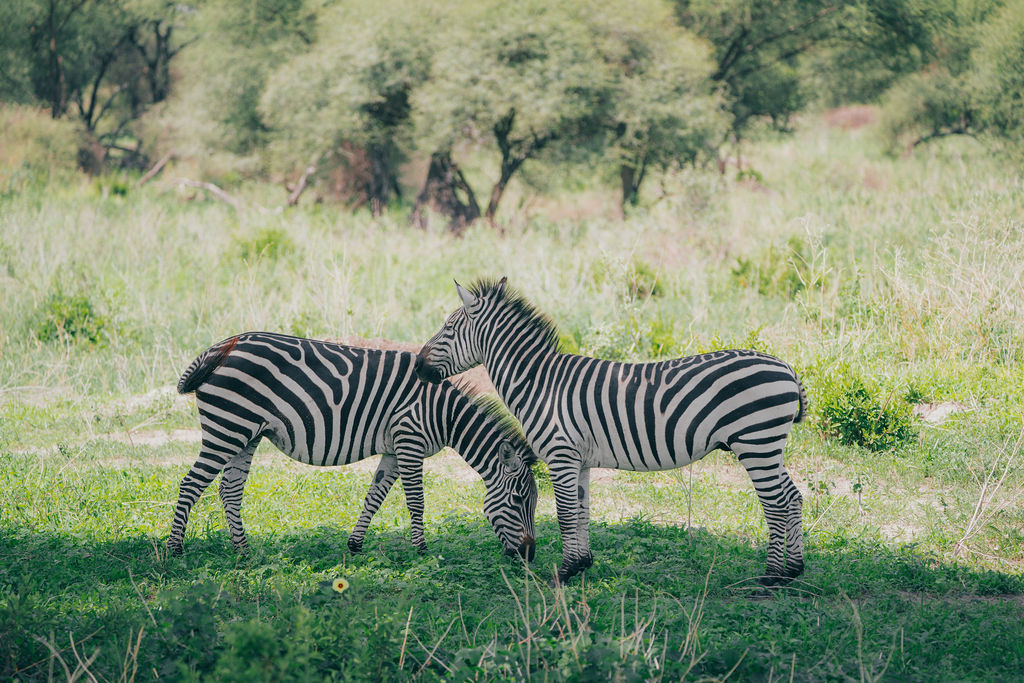
- Savannas: Impalas, wildebeests, and zebras dominate these grasslands.
- Forests: Species like the bongo and bushbuck prefer dense vegetation.
- Deserts: Oryx and addax are adapted to survive extreme arid conditions.
- Wetlands: Water-dependent antelopes like the reedbuck and waterbuck inhabit areas near rivers and lakes.
Antelopes’ Role in the Ecosystem
- Grazers and Browsers: Antelopes help maintain the balance of grasslands and woodlands by preventing overgrowth.
- Prey for Predators: They are a primary food source for lions, cheetahs, leopards, and wild dogs, supporting the entire food chain.
- Seed Dispersal: By consuming fruits and plants, antelopes play a role in spreading seeds and fostering vegetation growth.
Threats to African Antelopes
Despite their adaptability, antelopes face significant threats:
- Habitat Loss: Expanding agriculture and urbanization reduce their habitats.
- Poaching: Illegal hunting for meat, horns, and hides affects many species.
- Climate Change: Altered rainfall patterns impact food availability and migration routes.
Conservation Efforts
Numerous organizations work to protect Africa’s antelopes through:
- Habitat Protection: Establishing and managing national parks and reserves.
- Anti-Poaching Initiatives: Employing rangers and using technology to combat illegal hunting.
- Ecotourism: Promoting sustainable tourism to generate funds for conservation.
- Captive Breeding Programs: Ensuring the survival of critically endangered species like the scimitar oryx.
Interesting Facts About African Antelopes
- Fast Runners: The tsessebe is one of the fastest antelopes, reaching speeds of 90 km/h.
- Impressive Jumpers: The kudu and impala can leap over 10 feet in height.
- Horns as Defense: The oryx can use its sharp horns to kill predators like lions.
- Water Independence: Desert antelopes like the oryx extract moisture from plants, surviving for months without drinking water.
Conclusion
African antelopes are integral to the continent’s biodiversity, showcasing incredible adaptability and beauty. Whether you’re marveling at the Great Migration of wildebeests or observing the shy dik-dik in a dense thicket, antelopes embody the spirit of Africa’s wilderness. Protecting these magnificent creatures is crucial not only for preserving Africa’s natural heritage but also for maintaining ecological balance.


 Botswana
 Ethiopia
 Kenya
Kenya
 Malawi
 Mozambique
 Continue with Google


