

Prey Animals List
What is a Prey Animal?
A prey animal is an organism hunted and consumed by predators, forming a foundational component of ecological food chains. These animals, ranging from mammals like deer and rabbits to birds, fish, insects, and even reptiles such as lizards, serve as vital energy sources for carnivores and omnivores.
Their existence ensures the transfer of nutrients and energy through ecosystems, maintaining balance between species. To survive constant predation pressure, prey species have evolved remarkable adaptations. Camouflage allows creatures like stick insects or ptarmigans to blend into their surroundings, while speed and agility enable gazelles and hares to outrun predators.
Others employ unique defenses:
Beetles release foul odors, octopuses eject ink clouds, and opossums play dead to deter attackers. These adaptations highlight the dynamic interplay between survival strategies and the relentless pressure of predation.
The ecological role of prey animals extends beyond mere sustenance for predators. Their population dynamics directly influence predator survival; a decline in prey can trigger predator starvation or migration, destabilizing ecosystems. To offset high mortality rates, many prey species reproduce rapidly. For instance, rabbits produce large litters frequently, ensuring population resilience.
Social behaviors also enhance survival:
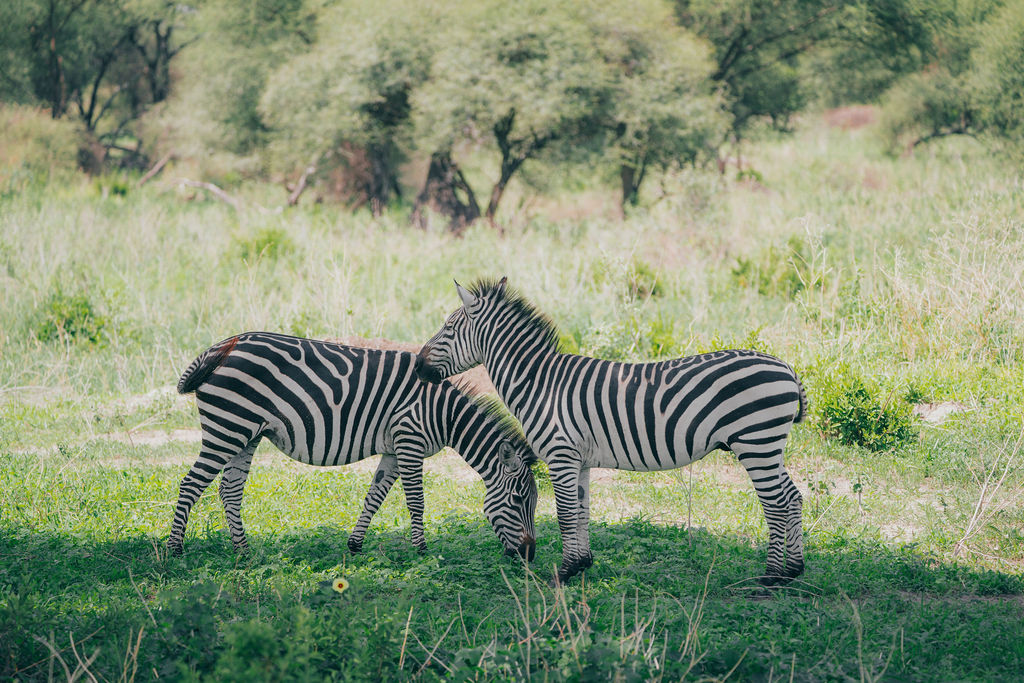
zebras and antelopes form herds to confuse predators, while meerkats take turns acting as sentinels. Conversely, solitary prey like squirrels rely on acute senses and burrowing to evade threats. These strategies underscore the delicate balance of predator-prey relationships, where evolutionary arms races drive adaptations in both groups. For example, a cheetah’s speed co-evolves with the gazelle’s agility, each shaping the other’s survival traits.
Understanding prey animals’ roles aids in crafting policies to mitigate human impacts, such as regulating hunting or preserving migratory corridors. By prioritizing prey species, conservationists not only protect these animals but also sustain the intricate web of life that depends on them, ensuring ecosystems remain resilient and functional for future generations.
Mammals
| Plant or Animal | What does it eat? | What eats it? |
|---|---|---|
| Deer | Herbivores that graze on grasses, leaves, twigs, and fruits. | Preyed upon by large carnivores such as wolves, cougars, bears, and by humans. |
| Rabbit | Herbivores that consume grasses, leafy plants, and garden vegetation. | Common prey for foxes, hawks, eagles, owls, coyotes, and humans. |
| Hare | Similar to rabbits, hares eat grasses, herbs, and sometimes twigs. | Predated by foxes, birds of prey, coyotes, and occasionally larger mammals. |
| Mouse | Omnivorous small rodents that eat grains, seeds, fruits, and occasionally insects. | Eaten by snakes, birds of prey, small carnivorous mammals, and sometimes larger rodents. |
| Rat | Omnivorous scavengers that consume grains, fruits, and small invertebrates. | Preyed upon by larger mammals, birds of prey, snakes, and humans. |
| Squirrel | Eat nuts, seeds, fruits, and occasionally insects. | Targeted by hawks, snakes, foxes, and domestic predators such as cats. |
| Chipmunk | Forage on seeds, nuts, berries, and sometimes insects. | Vulnerable to predation by hawks, snakes, weasels, and small carnivores. |
| Beaver | Consume tree bark, leaves, and aquatic vegetation. | Eaten by large predators such as wolves, bears, and humans (through trapping). |
| Vole | Herbivorous rodents that feed on grasses, seeds, and roots. | Preyed upon by birds of prey, snakes, foxes, and other small carnivores. |
| Opossum | Omnivorous scavengers that eat fruits, insects, small vertebrates, and carrion. | Hunted by larger birds of prey, coyotes, foxes, and sometimes domestic animals. |
| Armadillo | Omnivorous, feeding on insects, small invertebrates, and occasionally plants. | Preyed upon by large carnivores such as big cats, dogs, and are sometimes at risk from humans. |
| Porcupine | Herbivores that eat leaves, bark, and fruits; sometimes gnaw on twigs. | Though their quills deter many, they can be prey for large carnivores that know how to handle them, and are sometimes targeted by humans. |
| Gazelle | Herbivores that graze on grasses and browse on shrubs. | Preyed upon by cheetahs, lions, hyenas, and eagles. |
| Antelope | Herbivorous grazers and browsers that feed on grasses and leaves. | Vulnerable to predation by large carnivores (lions, cheetahs, hyenas) and humans. |
| Zebra | Herbivores that primarily eat grasses and occasionally leaves. | Preyed upon by lions, hyenas, crocodiles, and sometimes humans. |
| Giraffe | Feed on leaves and twigs from tall trees (especially acacias). | Calves may be preyed on by lions, hyenas, and wild dogs, while adults face few natural predators aside from human impacts. |
| Wildebeest | Graze on grasses and low vegetation. | Targeted by lions, hyenas, crocodiles, and affected by human activities. |
| Kangaroo | Herbivorous marsupials that consume grasses, leaves, and shrubs. | Preyed upon by dingoes, eagles, and in some regions, humans. |
| Capybara | Herbivores that feed on grasses, aquatic plants, and fruits. | Preyed upon by jaguars, caimans, anacondas, and humans. |
| Groundhog | Feed on grasses, clover, and garden vegetation. | Vulnerable to predation by coyotes, foxes, birds of prey, and occasionally humans. |
| Mole | Primarily insectivorous; eat insects, earthworms, and roots. | Eaten by birds (such as hawks), snakes, and small mammals like foxes. |
Birds
| Plant or Animal | What does it eat? | What eats it? |
|---|---|---|
| Pigeon | Feeds on seeds, grains, and sometimes small insects. | Preyed upon by falcons, hawks, and occasionally urban predators like cats. |
| Dove | Eats seeds, grains, and fruits. | Targeted by birds of prey (hawks, falcons) and small carnivorous mammals. |
| Quail | Omnivorous, consuming seeds, grains, and insects. | Preyed upon by foxes, hawks, snakes, and mammals. |
| Grouse | Forage on seeds, berries, and insects. | Vulnerable to predation by foxes, raptors, and other carnivorous mammals. |
| Partridge | Eat seeds, grains, and small insects. | Targeted by foxes, birds of prey, and small mammals. |
| Sparrow | Feed on seeds, grains, and insects. | Preyed upon by domestic cats, raptors, and small snakes. |
| Finch | Primarily consume seeds and occasionally small insects. | Eaten by birds of prey, snakes, and small mammals. |
| Duck | Omnivorous; eat aquatic vegetation, insects, small fish, and crustaceans. | Preyed upon by foxes, birds of prey, larger fish, and humans. |
| Goose | Mostly herbivorous; graze on grasses and aquatic plants. | Vulnerable to predation by foxes, coyotes, raptors, and sometimes humans. |
| Chicken | Omnivorous; feed on grains, seeds, insects, and small plants. | Preyed upon by foxes, hawks, snakes, and are heavily managed by humans. |
| Turkey | Omnivorous; eat seeds, insects, and small amphibians. | Targeted by coyotes, bobcats, raptors, and humans (through hunting). |
| Pheasant | Omnivorous; consume seeds, grains, and insects. | Preyed upon by foxes, birds of prey, and small mammals, as well as humans. |
Fish
| Plant or Animal | What does it eat? | What eats it? |
|---|---|---|
| Minnow | Omnivorous small fish that feed on plankton, small invertebrates, and algae. | Preyed upon by larger fish, aquatic birds, and small mammals. |
| Sardine | Filter feeders that consume plankton and small organic particles. | Eaten by larger fish, seabirds, and marine mammals. |
| Herring | Feed on plankton and small crustaceans. | Preyed upon by larger fish, seabirds, and marine mammals. |
| Anchovy | Filter feeders that consume plankton. | Vulnerable to predation by larger fish, seabirds, and marine mammals. |
| Mackerel | Feed on smaller fish, squid, and plankton. | Preyed upon by larger predatory fish, marine mammals, and seabirds. |
| Trout | Primarily insectivorous and piscivorous; feed on insects, larvae, and small fish. | Eaten by larger fish, birds (e.g., herons), mammals, and occasionally humans. |
| Salmon (juveniles) | Consume small aquatic insects and plankton. | Preyed upon by larger fish, birds, bears, and other mammals. |
| Perch | Omnivorous; feed on insects, small fish, and aquatic invertebrates. | Preyed upon by larger fish, birds, and mammals. |
| Goldfish | Omnivorous; consume plant material, insects, and small invertebrates. | Eaten by birds, larger fish, and humans. |
| Tilapia | Omnivorous; feed on algae, aquatic plants, and small invertebrates. | Preyed upon by larger fish, birds, and humans. |
Reptiles & Amphibians
| Plant or Animal | What does it eat? | What eats it? |
|---|---|---|
| Frog | Insectivorous; feed on insects, worms, and small invertebrates. | Preyed upon by birds, snakes, mammals, and larger amphibians. |
| Toad | Eat insects and small invertebrates. | Vulnerable to snakes, birds, and small mammals. |
| Salamander | Feed on insects, worms, and small invertebrates. | Preyed upon by birds, snakes, fish, and mammals. |
| Newt | Consume small invertebrates and aquatic larvae. | Eaten by birds, snakes, larger amphibians, and fish. |
| Lizard | Varies by species; many are insectivorous but some are omnivorous. | Preyed upon by birds, snakes, and larger lizards or mammals. |
| Gecko | Primarily insectivorous; eat insects and other small invertebrates. | Vulnerable to birds, snakes, and larger lizards. |
| Skink | Generally feed on insects and small invertebrates. | Preyed upon by birds, snakes, and small mammals. |
| Tortoise (hatchlings) | Herbivorous; feed on grasses, leaves, and small plants. | Hatchlings are preyed upon by birds, mammals, and reptiles. |
| Turtle (hatchlings) | Omnivorous; feed on small invertebrates, aquatic vegetation, and algae. | Preyed upon by birds, fish, and mammals. |
| Snake (non-venomous juveniles) | Typically feed on small mammals, amphibians, and insects. | Preyed upon by birds of prey, larger snakes, and small mammals. |
Insects & Invertebrates
| Plant or Animal | What does it eat? | What eats it? |
|---|---|---|
| Grasshopper | Herbivorous; consume leaves, grasses, and sometimes small flowers. | Eaten by birds, reptiles, small mammals, and larger insects. |
| Cricket | Omnivorous; feed on plant matter and small insects. | Preyed upon by birds, rodents, amphibians, and reptiles. |
| Caterpillar | Herbivorous; primarily eat leaves. | Vulnerable to birds, parasitic wasps, and other insects. |
| Butterfly | Adults feed on nectar (caterpillars feed on leaves). | Preyed upon by birds, spiders, and other insects. |
| Moth | Adults feed on nectar (caterpillars feed on leaves). | Eaten by bats, birds, and predatory insects. |
| Worm | Feed on decaying organic matter and soil. | Preyed upon by birds, amphibians, small mammals, and insects. |
| Snail | Herbivorous; consume plants and algae. | Vulnerable to birds, small mammals, and some insects. |
| Slug | Herbivorous; feed on decaying vegetation and living plants. | Preyed upon by birds, beetles, and small mammals. |
| Beetle | Diet varies by species; many are herbivorous or detritivores. | Eaten by birds, amphibians, and small mammals. |
| Spider | Carnivorous; capture and consume insects and small invertebrates. | Preyed upon by birds, lizards, and larger predatory insects. |
| Ant | Omnivorous; feed on sugars, proteins, and plant secretions. | Preyed upon by birds, anteaters, other insects, and small reptiles. |


 Botswana
 Ethiopia
 Kenya
 Malawi
 Mozambique
 Continue with Google


