

Africa is a continent of immense diversity, rich history, and breathtaking landscapes. Below are 60+ Facts About Africa, meticulously organized by region: North Africa, Central Africa, West Africa, East Africa, Southern Africa. Each fact delves deeper into the unique aspects that make each area truly fascinating.
General Facts About Africa
1. Second Largest Continent
Africa stands as the second-largest continent on Earth, encompassing over 11.7 million square miles. This vast expanse accounts for approximately 20% of the planet's total land area. Its immense size contributes to the continent's incredible diversity in terms of cultures, languages, and ecosystems, making Africa a pivotal region in global geography and human civilization.
2. Sahara Desert
The Sahara Desert, renowned as the largest hot desert globally, stretches across 11 nations in North Africa, including Algeria, Chad, and Sudan. Covering approximately 3.6 million square miles, the Sahara is a formidable natural barrier with extreme temperatures and arid conditions. Despite its harsh environment, the Sahara is home to various resilient communities and unique wildlife adapted to survive in one of the world's most challenging landscapes.
3. Mount Kilimanjaro
Mount Kilimanjaro in Tanzania is Africa's highest peak, soaring to 19,341 feet above sea level. This majestic stratovolcano is a prominent landmark and a popular destination for trekkers and climbers worldwide. Kilimanjaro's diverse climatic zones, ranging from tropical forests at its base to alpine deserts and icy summits, showcase the continent's geological wonders and ecological variety.
4. Horn of Africa
The Horn of Africa, comprising countries such as Ethiopia, Somalia, and Djibouti, is one of the most drought-prone regions globally. This area faces significant environmental challenges, including recurrent droughts and water scarcity, which impact agriculture and livelihoods. Despite these hardships, the Horn of Africa boasts rich cultural traditions and historical significance as a crossroads of trade and civilization.
5. Congo River
The Congo River holds the title of the deepest river in the world, with depths reaching up to 720 feet. Flowing through the Democratic Republic of Congo and other Central African nations, the Congo River is a vital waterway for transportation, commerce, and sustenance. Its extensive basin supports a vast array of biodiversity, including numerous fish species and dense rainforest ecosystems.
6. Lake Victoria
Situated between Tanzania, Uganda, and Kenya, Lake Victoria is Africa's largest lake by area, spanning 26,600 square miles. It is also the world's second-largest freshwater lake. Lake Victoria plays a crucial role in the region's economy and ecology, supporting fisheries, providing water for agriculture, and serving as a habitat for diverse aquatic life.
7. Victoria Falls
Victoria Falls, located on the border between Zambia and Zimbabwe, is one of the world's most spectacular waterfalls. Locally known as “Mosi-oa-Tunya,” or “The Smoke That Thunders,” the falls boast an impressive flow of 38,000 cubic feet of water per second cascading 355 feet into the Zambezi River. Victoria Falls is a UNESCO World Heritage site and a major tourist attraction, celebrated for its awe-inspiring natural beauty.
8. River Nile
The Nile River, recognized as the longest river in the world, extends over 4,100 miles through northeastern Africa. Originating from multiple sources, including Lake Victoria and Lake Tana, the Nile flows northward through countries such as Sudan and Egypt before emptying into the Mediterranean Sea. The river has been a lifeline for civilizations for millennia, fostering agriculture, trade, and cultural development along its banks.
9. Megafauna Diversity
Africa boasts the largest number of megafauna species, including iconic animals like elephants, rhinos, hippos, and giraffes. These large mammals inhabit various ecosystems across the continent, from savannas and forests to deserts and wetlands. Africa's rich biodiversity is a testament to its varied habitats and the evolutionary adaptations of its wildlife.
10. African Lions
Often referred to as the “king of the jungle,” African lions primarily reside in the savannas and grasslands of Africa. The majority of these majestic predators are found in Tanzania and South Africa, where conservation efforts are focused on preserving their populations. African lions play a crucial role in maintaining the balance of their ecosystems by controlling herbivore populations.
11. African Wild Dog
The African wild dog, also known as the painted wolf, is one of the continent's most endangered carnivores, with fewer than 6,000 individuals remaining in the wild. These highly social and cooperative hunters are vital for ecosystem health but face threats from habitat loss, human-wildlife conflict, and disease. Conservation initiatives are essential to ensure the survival of this unique species.
12. Mountain Gorillas in Rwanda
Rwanda, aptly named the “land of a thousand hills,” is one of the few places where mountain gorillas thrive in their natural habitat. These endangered primates inhabit the mist-covered forests of the Virunga Mountains, shared with neighboring countries. Rwanda's conservation efforts, including anti-poaching measures and eco-tourism, are pivotal in protecting these magnificent creatures.
13. Birthplace of Coffee
Ethiopia is celebrated as the birthplace of coffee, with the coffee plant originally native to the Kaffa region. The country's rich coffee heritage is deeply intertwined with its culture and economy, making it a central element of Ethiopian identity. Coffee from Ethiopia is renowned for its diverse flavors and high quality, contributing significantly to global coffee production.
14. Great Rift Valley
The Great Rift Valley, stretching from Lebanon to Mozambique, is one of the most significant geographical and geological features on Earth. This vast trench system is characterized by stunning landscapes, including escarpments, lakes, and volcanic mountains. The Great Rift Valley is also a hotspot for archaeological discoveries, shedding light on human evolution and ancient civilizations.
Fun Facts About North Africa
15. Atlas Mountains
The Atlas Mountains extend across Morocco, Algeria, and Tunisia, forming a dramatic and picturesque backdrop to Northern Africa's landscape. These mountains are not only a natural barrier but also home to diverse flora and fauna, as well as various Berber communities who maintain their traditional lifestyles. The Atlas range offers opportunities for hiking, skiing, and exploring ancient kasbahs.
16. Largest African Country
Algeria holds the distinction of being the largest country in Africa by land area and the 10th largest in the world. Spanning over 919,595 square miles, Algeria's vast territory includes portions of the Sahara Desert, fertile coastal plains, and the Atlas Mountains. The country's rich natural resources, particularly oil and gas, play a significant role in its economy.
17. Nile Delta
The Nile Delta in Egypt is one of the world's largest river deltas, covering more than 140 miles of the Mediterranean coastline. This fertile region is crucial for agriculture, supporting the cultivation of crops such as cotton, rice, and wheat. The Nile Delta has been the cradle of Egyptian civilization, providing sustenance and trade routes for thousands of years.
18. Libya’s Desert Coverage
Libya is predominantly covered by the Sahara Desert, with approximately 90% of its land area being arid desert. This harsh environment presents significant challenges for habitation and agriculture, but Libya also possesses valuable mineral and hydrocarbon resources. The country's desert landscapes are characterized by vast sand dunes, rocky plateaus, and ancient archaeological sites.
19. Oldest University
Morocco is home to the University of Al-Quaraouiyine in Fez, recognized as the oldest existing, continually operating higher educational institution in the world. Founded in A.D. 859, this university has been a center of learning and scholarship for centuries, attracting students and scholars from around the globe and contributing significantly to Islamic education and culture.
20. Pyramids of Meroe
The pyramids of Meroe in Sudan predate those of ancient Egypt and were constructed by the Kingdom of Kush. These pyramids, characterized by their steep angles and smaller size, served as tombs for Kushite royalty. The site is a UNESCO World Heritage designation and offers invaluable insights into the architectural and cultural achievements of the ancient Nubian civilization.
21. Ancient Carthage
Tunisia is home to the ancient city of Carthage, a UNESCO World Heritage site renowned for its historical significance. Founded by the Phoenicians, Carthage became a powerful maritime empire and a major rival to Rome. The ruins of Carthage, including its impressive harbors, amphitheaters, and temples, reflect its rich and tumultuous history.
22. Western Sahara Dispute
Western Sahara is a disputed territory in North Africa, with its political status unresolved between Morocco and the Sahrawi people. This region has been the subject of conflict and negotiations for decades, involving issues of self-determination, resource rights, and regional stability. The Western Sahara dispute remains a complex and sensitive geopolitical issue in Africa.
Fun Facts About West Africa
23. Royal Palaces of Abomey
Benin is home to the Royal Palaces of Abomey, which were once the residences of the powerful kings of the Dahomey Kingdom from 1625 to 1900. These palaces are notable for their intricate bas-reliefs and architectural design, depicting the history, culture, and military prowess of the Dahomean monarchy. The site is a UNESCO World Heritage designation, preserving the legacy of one of West Africa's most influential kingdoms.
24. Meaning of Burkina Faso
Burkina Faso translates to “land of incorruptible people” in the Mossi language. This name reflects the country's commitment to integrity and resilience despite historical challenges. Burkina Faso is known for its vibrant cultural scene, including music, dance, and traditional arts, as well as its role in promoting peace and stability in the region.
25. Pico do Fogo Volcano
Cape Verde’s Pico do Fogo is an active stratovolcano and the highest point in the archipelago, standing at 9,281 feet. The volcano last erupted in 2014, significantly impacting the local population and environment. Pico do Fogo's dramatic eruptions and fertile volcanic soil contribute to Cape Verde's unique landscape and agricultural productivity.
26. Côte d’Ivoire’s Cocoa Production
Ivory Coast, or Côte d’Ivoire, is the world's largest producer of cocoa beans, supplying approximately 40% of global cocoa production. Cocoa farming is a critical component of the country's economy, providing livelihoods for millions of smallholder farmers. The high-quality cocoa from Côte d’Ivoire is essential for the global chocolate industry.
27. The Gambia’s Size
The Gambia is the smallest country in mainland Africa, entirely surrounded by Senegal except for its narrow coastline along the Atlantic Ocean. Despite its small size, The Gambia boasts rich cultural diversity, vibrant music, and significant historical sites related to the transatlantic slave trade. Its compact geography makes it a popular destination for tourists seeking an immersive African experience.
28. Ghana’s Independence
Ghana holds the distinction of being the first African country to gain independence from colonial rule in 1957. Under the leadership of Kwame Nkrumah, Ghana's successful independence movement inspired other African nations to pursue self-governance. Today, Ghana is celebrated for its stable democracy, economic growth, and vibrant cultural heritage.
29. Guinea’s Bauxite Production
Guinea is exceptionally rich in mineral resources, particularly bauxite, the primary ore for aluminum production. It is one of the world's top producers of bauxite, which is crucial for various industries, including aerospace, construction, and automotive manufacturing. Guinea's bauxite reserves play a significant role in its economy and global mineral markets.
30. Liberia’s Founding
Liberia was founded in 1847 by freed American slaves and is Africa’s oldest republic. Established by the American Colonization Society, Liberia's unique history blends African and American influences. Monrovia, the capital, is named after U.S. President James Monroe, and the country has maintained a distinct cultural and political identity since its inception.
31. Timbuktu in Mali
Mali is home to Timbuktu, an ancient city that once served as a major center of learning and trade in the Islamic world. Renowned for its historic mosques, libraries, and universities, Timbuktu was a hub for scholars and merchants, facilitating the exchange of ideas and goods across Africa and beyond. The city's architectural heritage and intellectual legacy make it a UNESCO World Heritage site.
32. Richat Structure in Mauritania
Mauritania's Richat Structure, also known as the Eye of the Sahara, is a striking geological formation visible from space. This circular feature, approximately 25 miles in diameter, consists of concentric rings of rock and sediment. The Richat Structure is a natural wonder that has fascinated scientists and explorers, offering insights into the geological processes shaping the Sahara Desert.
33. Niger River
The Niger River is the third-longest river in Africa, extending over 2,600 miles from its source in Guinea through Mali, Niger, and Nigeria before emptying into the Gulf of Guinea. The river is vital for transportation, agriculture, and fishing, supporting millions of people along its banks. The Niger River Basin is also rich in biodiversity, hosting numerous species of plants and animals.
34. Nigeria’s Population
Nigeria is the most populous country in Africa, with a population exceeding 200 million people. It is a vibrant nation characterized by its ethnic diversity, with over 250 ethnic groups and languages. Lagos, Nigeria's largest city, is the most populous city in Africa, boasting over 9 million urban residents. Nigeria's dynamic economy, driven by oil, entertainment, and technology sectors, plays a crucial role in the continent's development.
35. Dakar’s Location
Dakar, the capital city of Senegal, holds the distinction of being the westernmost point on the African continent. Positioned on the Cape Verde Peninsula, Dakar is a major cultural and economic hub in West Africa. The city is known for its lively music scene, bustling markets, and significant historical landmarks, including Gorée Island, a poignant reminder of the transatlantic slave trade.
36. Sierra Leone’s Diamonds
Sierra Leone is renowned for its diamond mines, which have historically been associated with the term “blood diamonds.” These conflict diamonds have fueled civil wars and human rights abuses, drawing international attention to the ethical implications of diamond mining. Efforts to regulate and certify diamond sources aim to mitigate the negative impacts and promote responsible trade practices in Sierra Leone.
Fun Facts About Central Africa
37. Mount Cameroon
Cameroon’s Mount Cameroon is one of Africa’s most active volcanoes, with regular eruptions over the past centuries. Standing at 12,100 feet, it is the highest peak in West Africa and a prominent feature of the Cameroonian landscape. Mount Cameroon attracts adventurers and scientists alike, offering challenging climbs and valuable insights into volcanic activity and geological formations.
38. Dzanga-Sangha National Park
The Central African Republic is home to Dzanga-Sangha National Park, renowned for its population of forest elephants and western lowland gorillas. This protected area is a biodiversity hotspot, encompassing dense rainforests, wetlands, and savannas. Conservation efforts in Dzanga-Sangha focus on protecting endangered species, combating poaching, and promoting sustainable tourism to preserve the region’s natural heritage.
39. Lake Chad’s Shrinkage
Lake Chad, located in Chad, is one of Africa’s largest freshwater lakes but has significantly shrunk over recent decades due to climate change and overuse of its water resources. Once spanning around 25,000 square miles, the lake has dwindled to less than half its original size, impacting millions of people who depend on it for fishing, agriculture, and drinking water. Efforts to restore Lake Chad involve sustainable water management and regional cooperation.
40. Congo Basin Rainforest
The Congo Basin rainforest is the second-largest rainforest in the world, following the Amazon. Spanning several Central African countries, including the Democratic Republic of Congo and Cameroon, the Congo Basin is a critical carbon sink and a repository of immense biodiversity. It is home to countless species of plants, animals, and insects, many of which are endemic. The rainforest also supports indigenous communities and plays a vital role in global climate regulation.
41. Spanish in Equatorial Guinea
Equatorial Guinea is the only African country where Spanish is an official language. This unique linguistic status reflects the country's colonial history under Spanish rule. Spanish serves as a unifying language in a nation with diverse ethnic groups and indigenous languages. Equatorial Guinea's bilingualism facilitates its participation in international affairs and cultural exchanges within the Spanish-speaking world.
42. Ivindo National Park
Gabon’s Ivindo National Park is celebrated for its pristine rainforests and spectacular waterfalls, including the impressive Kongou Falls. The park is a sanctuary for a wide range of wildlife, including gorillas, chimpanzees, and numerous bird species. Ivindo National Park is a UNESCO World Heritage site, recognized for its outstanding natural beauty and ecological significance, making it a prime destination for eco-tourism and conservation research.
Fun Facts About East Africa
43. Burundi’s Population Density
Burundi is one of the most densely populated countries in Africa, with a high population density relative to its land area. This concentration of people places significant pressure on the country's natural resources, infrastructure, and agricultural systems. Despite these challenges, Burundi is rich in cultural traditions and community resilience, striving to improve living standards and economic opportunities for its citizens.
44. Comoros’ Volcano
The Comoros archipelago is home to Karthala Volcano, one of the most active volcanoes in the world. Located on Grande Comore, the largest island, Karthala frequently experiences eruptions that shape the island’s landscape and impact local communities. The volcanic activity contributes to the fertile soil, supporting agriculture and diverse ecosystems on the islands.
45. Djibouti’s Strategic Location
Djibouti is strategically located at the junction of the Red Sea and the Gulf of Aden, making it a key global shipping lane. This prime position facilitates international maritime trade and military presence, with several countries maintaining naval bases in Djibouti. The country's ports are vital for the import and export activities of neighboring landlocked nations, enhancing its economic and geopolitical significance.
46. Dahlak Archipelago
Eritrea’s Dahlak Archipelago consists of over 200 islands, many of which are uninhabited and surrounded by vibrant coral reefs. This island group is renowned for its pristine marine environments, offering excellent opportunities for snorkeling, diving, and marine research. The Dahlak Archipelago is a hidden gem in the Indian Ocean, attracting eco-tourists and scientists interested in its unique biodiversity and geological formations.
47. South Sudan’s Independence
South Sudan, which gained independence from Sudan in 2011, is the newest country in the world. Its formation marked the culmination of decades of conflict and a historic peace agreement. South Sudan is endowed with vast natural resources, including oil, and possesses rich cultural diversity. However, the nation faces significant challenges in building stable governance, infrastructure, and economic development.
48. Ethiopia’s History
Ethiopia is one of the oldest countries in the world, with a history that dates back to 400 B.C. It is uniquely the only African country never to have been colonized, except for a brief Italian occupation during World War II. Ethiopia's rich cultural heritage includes ancient churches, diverse languages, and historic traditions that have influenced the broader region. The country is also renowned for its contributions to agriculture, particularly as a center of coffee cultivation.
49. Great Wildebeest Migration
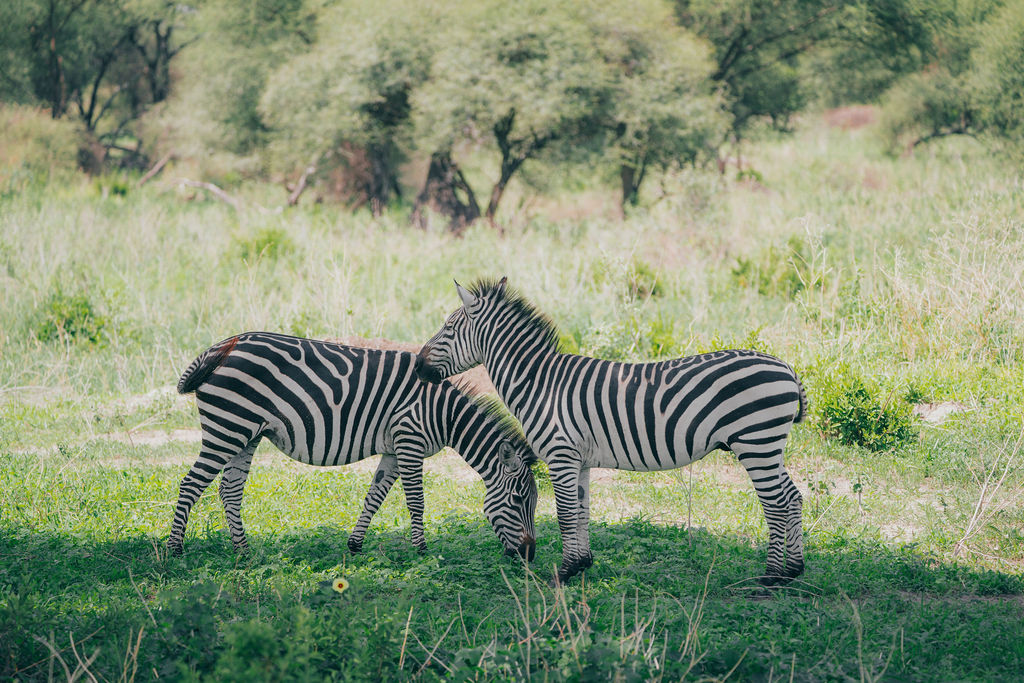
Kenya’s Maasai Mara and Tanzania’s Serengeti National Park are famous for the Great Wildebeest Migration, an annual movement where over 1.5 million wildebeest, alongside thousands of zebras and gazelles, traverse the plains in search of greener pastures. This spectacular natural event is a cornerstone of East Africa's wildlife tourism, showcasing the resilience and coordination of these migratory herds as they navigate rivers, predators, and vast distances.
50. Madagascar’s Biodiversity
Madagascar, the fourth-largest island in the world, is a biodiversity hotspot, home to about 5% of the world's plant and animal species. Remarkably, over 80% of these species are endemic, meaning they are found nowhere else on Earth. Madagascar's unique ecosystems, including rainforests, spiny deserts, and coral reefs, support a myriad of life forms, from the iconic lemurs to vibrant chameleons and diverse plant life.
51. Rwanda’s Cleanliness
Rwanda is recognized as one of the cleanest countries in East Africa, a reputation partly earned through its strict ban on plastic bags. This environmental policy has significantly reduced plastic pollution and promoted sustainable practices. Rwanda's cleanliness initiatives extend to urban planning, waste management, and public hygiene, contributing to improved public health and the country's image as a green and forward-thinking nation.
52. Seychelles’ Natural Beauty
The Seychelles, an archipelago of 115 islands in the Indian Ocean, are celebrated for their stunning beaches, crystal-clear waters, and lush nature reserves. This paradise destination is renowned for its unique granite rock formations, vibrant coral reefs, and rich marine life, making it a top spot for honeymooners, divers, and nature enthusiasts. The Seychelles also prioritize conservation, protecting their pristine environments through national parks and sustainable tourism practices.
53. Laas Geel Cave Paintings
Somalia’s Laas Geel cave paintings are among the oldest in Africa, dating back over 5,000 years. These ancient rock art sites feature vivid depictions of cattle, humans, and various symbols, providing valuable insights into the region's prehistoric cultures and daily life. The Laas Geel paintings are a testament to the rich archaeological heritage of East Africa and attract researchers and tourists interested in ancient history and art.
54. Zanzibar’s Spices
Zanzibar, an autonomous part of Tanzania, is renowned for its spice production, particularly cloves. Often referred to as the "Spice Island," Zanzibar's fertile soil and favorable climate make it ideal for cultivating a variety of spices, including cinnamon, nutmeg, and black pepper. The spice trade has historically been a significant economic driver for Zanzibar, shaping its cultural and culinary landscape and attracting visitors eager to experience its aromatic heritage.
55. Uganda’s Nickname
Uganda is affectionately known as the “Pearl of Africa” due to its stunning natural beauty and rich biodiversity. The country's landscapes range from the snow-capped Rwenzori Mountains and expansive Lake Victoria to lush rainforests and savannas teeming with wildlife. Uganda is also home to diverse cultures and vibrant traditions, making it a gem of East Africa celebrated for its scenic vistas and ecological treasures.
Fun Facts About Southern Africa
56. Angola’s Oil Production
Angola is one of Africa’s largest oil producers, with oil accounting for more than 90% of its exports. The country's oil industry is a major contributor to its economy, providing significant revenue and employment opportunities. Angola's offshore oil fields are among the most productive in Africa, attracting substantial foreign investment and playing a critical role in global energy markets.
57. Tsodilo Hills
The Tsodilo Hills in Botswana are a UNESCO World Heritage site, famous for their ancient rock art. These hills, often referred to as the "Louvre of the Desert," feature thousands of engravings and paintings created by the San people over thousands of years. The Tsodilo Hills are not only an archaeological treasure but also hold spiritual significance for local communities, showcasing the rich cultural heritage of Southern Africa.
58. Hlane Royal National Park
Eswatini (formerly Swaziland) is home to Hlane Royal National Park, which offers some of the largest herds of game in the kingdom, including elephants, rhinos, and lions. This protected area is a vital sanctuary for wildlife, providing habitats for diverse species and promoting conservation efforts. Hlane Royal National Park is also a popular destination for eco-tourism, allowing visitors to experience the beauty and biodiversity of Eswatini’s natural landscapes.
59. Lesotho’s Enclave Status
Lesotho is an enclave, entirely surrounded by South Africa. This unique geographical status has significant implications for Lesotho's economy, transportation, and political relationships. Nestled within the mountainous terrain, Lesotho is known for its stunning landscapes, including the Maloti Mountains and high-altitude plateaus, making it a picturesque destination with a distinct cultural identity.
60. Malawi’s Warm Heart
Malawi is affectionately known as the “Warm Heart of Africa” due to the friendliness and hospitality of its people. This nickname reflects the country's welcoming culture and vibrant community spirit. Malawi is also renowned for its breathtaking Lake Malawi, one of the largest and most beautiful lakes in Africa, which supports diverse aquatic life and attracts tourists seeking water-based activities and scenic beauty.
61. Mozambique’s Coastline
Mozambique boasts one of the longest coastlines in Africa, stretching approximately 1,600 miles along the Indian Ocean. This extensive shoreline features pristine beaches, coral reefs, and numerous islands, making Mozambique a prime destination for beach lovers, divers, and marine enthusiasts. The country's maritime resources are vital for its economy, supporting fishing, tourism, and shipping industries.
62. Namibia’s Namib Desert
Namibia's Namib Desert is considered the oldest desert in the world, with its arid conditions dating back over 55 million years. The Namib Desert is characterized by its towering sand dunes, some of the highest in the world, as well as unique geological formations and diverse wildlife adapted to extreme dryness. This ancient desert is a key attraction for adventurers and scientists interested in desert ecology and geology.
63. Zambia’s Kariba Dam
Zambia’s Kariba Dam on the Zambezi River is one of the largest dams in the world by volume, holding more than 1.3 million cubic yards of water. The dam plays a crucial role in hydroelectric power generation, providing electricity to both Zambia and neighboring Zimbabwe. Kariba Dam is also a popular tourist destination, offering opportunities for boating, fishing, and wildlife viewing along the scenic Zambezi River.


 Botswana
 Ethiopia
 Kenya
 Malawi
 Mozambique
 Continue with Google


